 Image 1 of 2
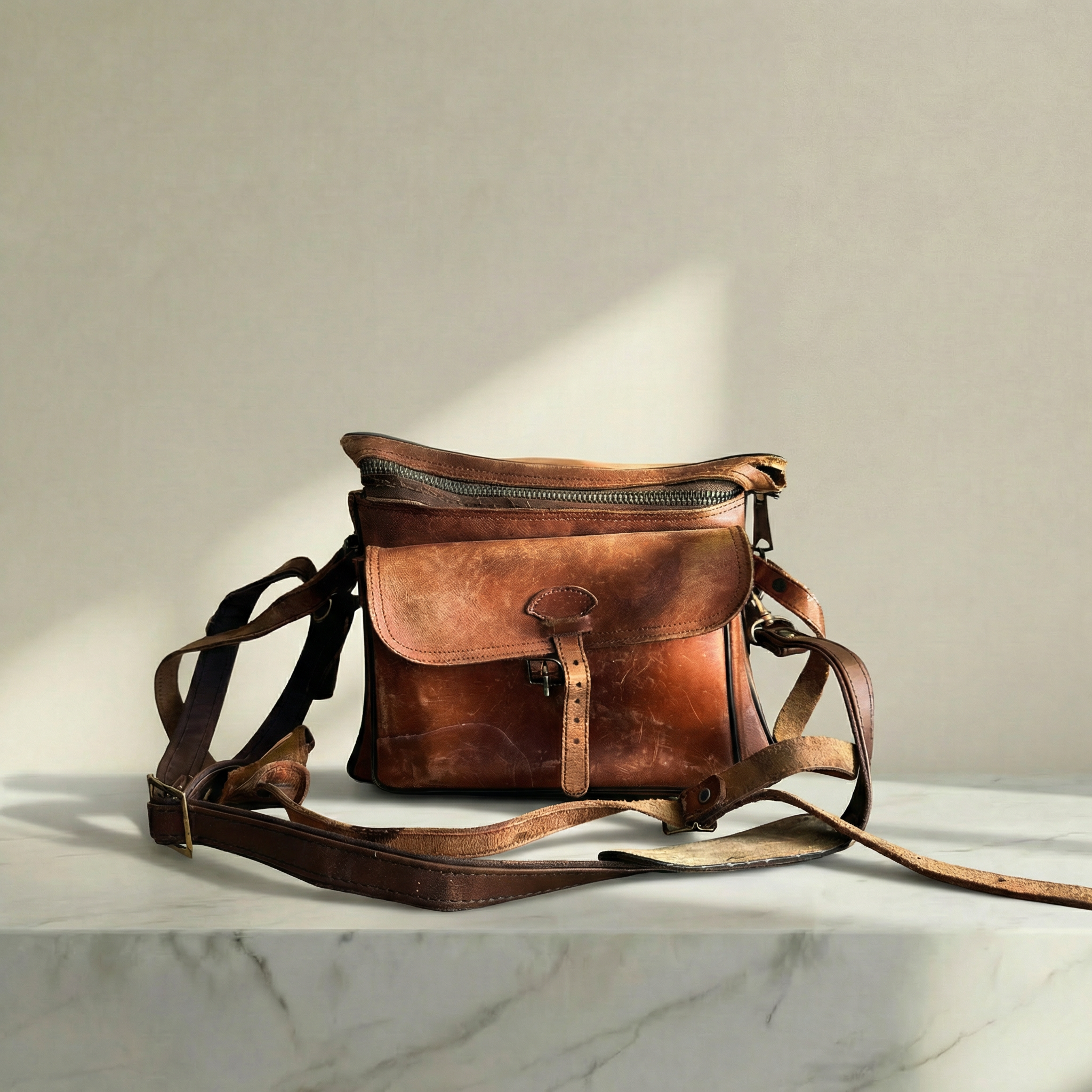 Image 2 of 2
Designer: Leica
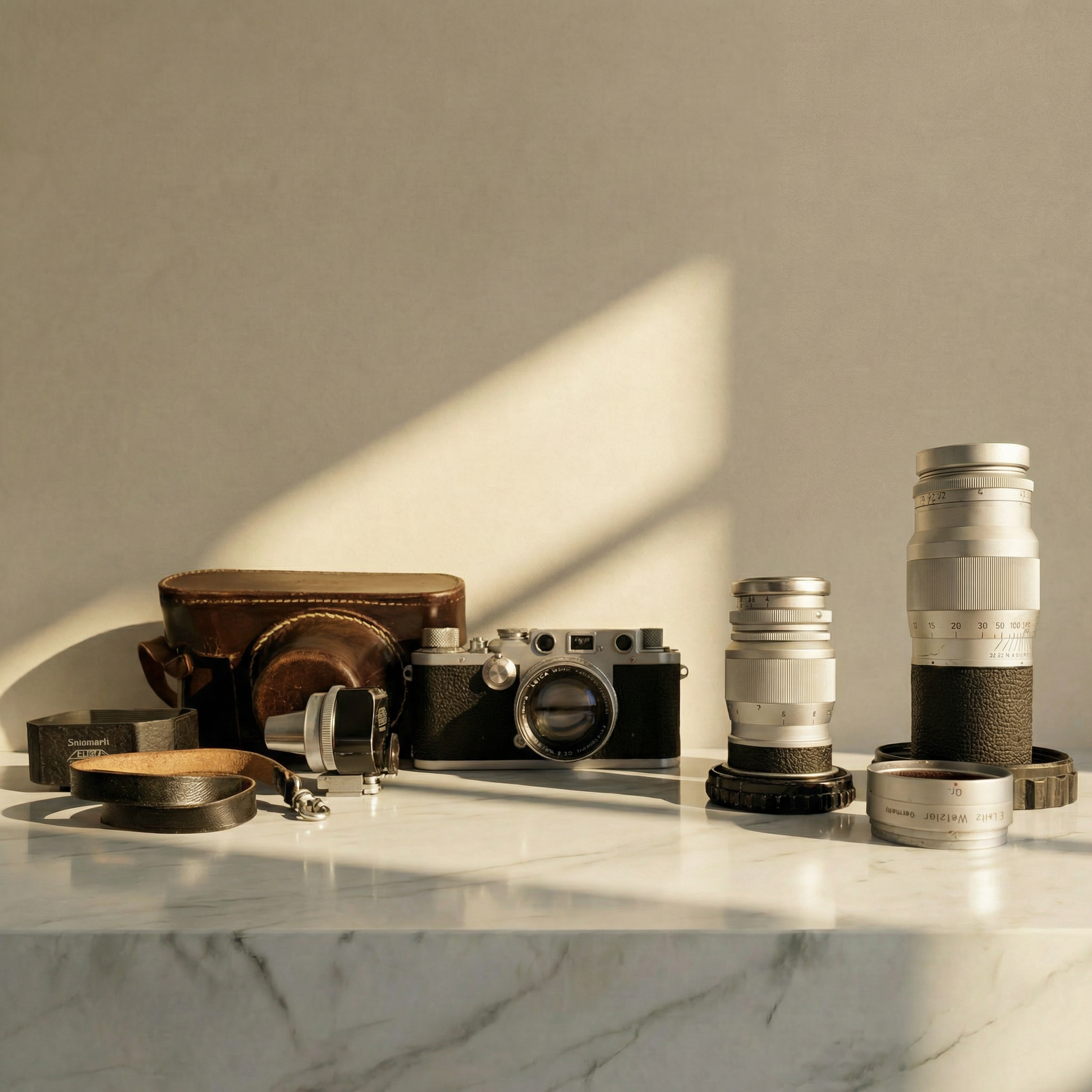
The Story: This generational gem was passed down and found its way to us. Meticulously kept with all original manuals and guides neatly wrapped with grandmotherly love. You’re looking, so you already know what the IIIF is so no point in wasting any more copy space.
….
Leica is one of the most storied names in photography, with roots stretching back to late 19th century Germany. The company grew out of the optical firm Ernst Leitz GmbH, founded in Wetzlar in 1869, which originally produced microscopes and scientific instruments.
The pivotal moment came in the early 1920s when engineer Oskar Barnack, working at Leitz, developed a compact camera that used 35mm cinema film — a radical idea at the time. His prototype, known as the Ur-Leica, was built around 1913 but production was delayed by World War I. The camera was finally launched commercially in 1925 as the Leica I, effectively inventing the 35mm format that would dominate photography for decades.
The Leica became synonymous with photojournalism throughout the 20th century, favored by legendary photographers like Henri Cartier-Bresson, Robert Capa, and Sebastião Salgado for its compact size, precision optics, and quiet shutter.
After decades of financial difficulty navigating the digital revolution, Leica reinvented itself as a luxury brand, relocating to a new campus in Wetzlar and building a devoted following among enthusiasts and collectors. Today it remains a symbol of optical craftsmanship and photographic heritage.
Designer: Leica
The Story: This generational gem was passed down and found its way to us. Meticulously kept with all original manuals and guides neatly wrapped with grandmotherly love. You’re looking, so you already know what the IIIF is so no point in wasting any more copy space.
….
Leica is one of the most storied names in photography, with roots stretching back to late 19th century Germany. The company grew out of the optical firm Ernst Leitz GmbH, founded in Wetzlar in 1869, which originally produced microscopes and scientific instruments.
The pivotal moment came in the early 1920s when engineer Oskar Barnack, working at Leitz, developed a compact camera that used 35mm cinema film — a radical idea at the time. His prototype, known as the Ur-Leica, was built around 1913 but production was delayed by World War I. The camera was finally launched commercially in 1925 as the Leica I, effectively inventing the 35mm format that would dominate photography for decades.
The Leica became synonymous with photojournalism throughout the 20th century, favored by legendary photographers like Henri Cartier-Bresson, Robert Capa, and Sebastião Salgado for its compact size, precision optics, and quiet shutter.
After decades of financial difficulty navigating the digital revolution, Leica reinvented itself as a luxury brand, relocating to a new campus in Wetzlar and building a devoted following among enthusiasts and collectors. Today it remains a symbol of optical craftsmanship and photographic heritage.