 Image 1 of 5
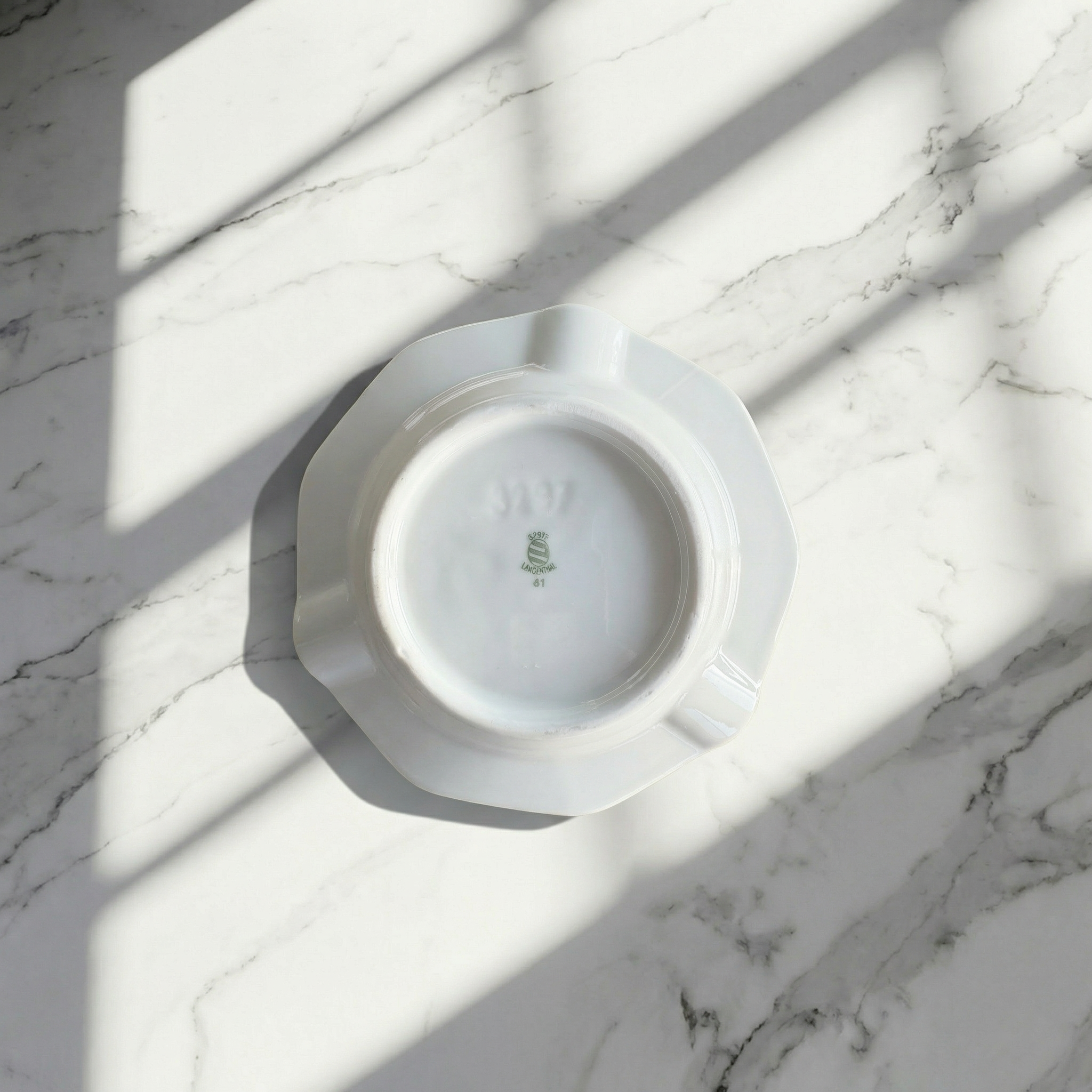 Image 2 of 5
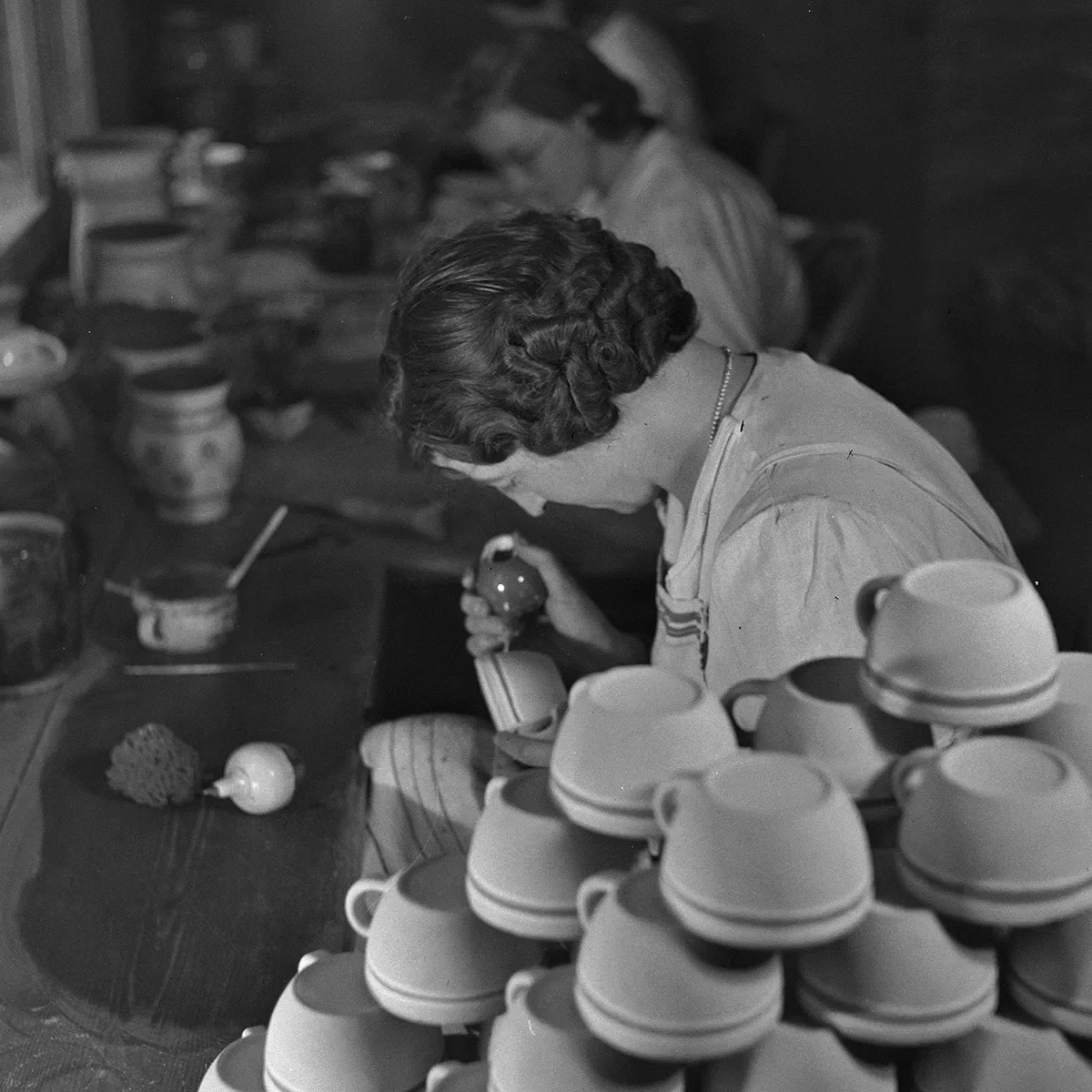 Image 3 of 5
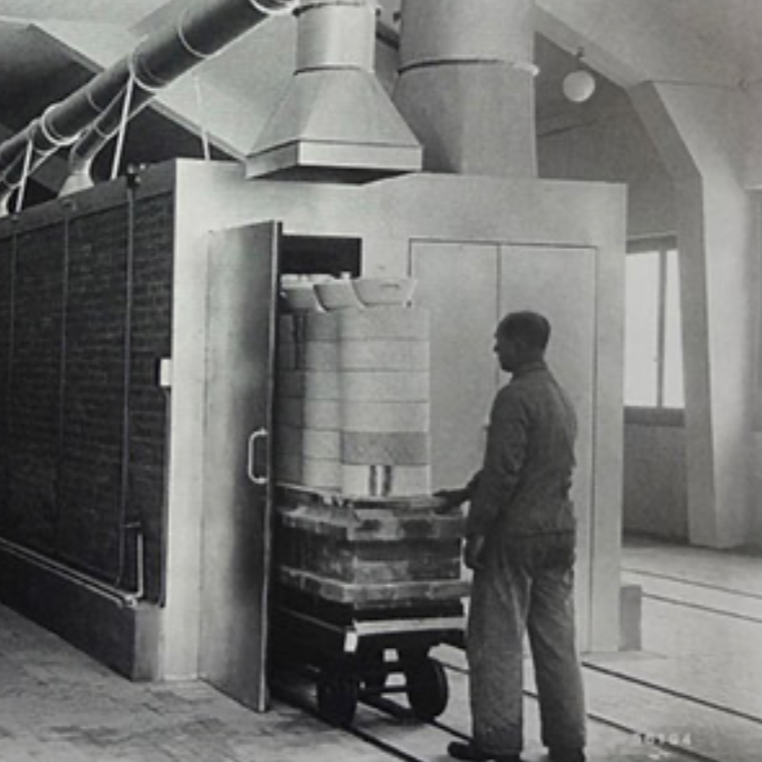 Image 4 of 5
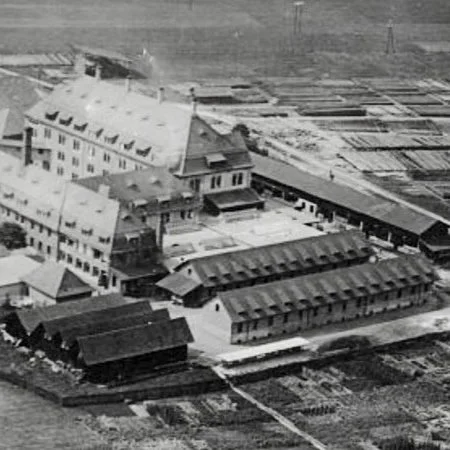 Image 5 of 5
Designer: Langethal
The Story: Nearly perfect porcelain ashtray from the Bernina Hotel in Geneva, designed and made by Langethal ceramics in 1961. Langethal made many fine porcelain pieces through the mid-century for luxury hotels across Switzerland. A wonderful piece on its own, but you shouldn't smoke.
….
The only 20th century Swiss porcelain factory began in 1906 in the Bernese town of Langenthal. Affectionately known by workers as the "Porzi," the manufactory was brought to life by a handful of local worthies who imported skilled craftsmen from Northern Europe along with the raw materials — kaolin and coal — needed to get started. The first objects came out of the kilns on January 17, 1908.
A turning point came in 1920 when Fernand Renfer was appointed head of design, introducing first Jugendstil and then Art Deco ornamentation that replaced earlier floral styles, leaving much of the immaculate white porcelain visible. Since 1925, Langenthal has been part of the Swiss Werkbund, a movement combining aesthetic concerns with industrial production.
Technologically, the factory was a pioneer. Brown Boveri constructed the first electric tunnel kiln in the world on site in 1937, ending dependence on foreign coal and enabling around-the-clock firing. The company's most successful years were between 1950 and 1970, reaching a peak workforce of 950 staff in 1964.
Decline followed in the 1980s. Finding itself in an economic crisis in 1988, Langenthal merged with Keramik Holding Laufen AG and after successive takeovers, production was gradually relocated to the Czech Republic. The name survives today, but the Bernese factory buildings now lie derelict — a bittersweet legacy for Switzerland's most enduring porcelain manufacturer.
Designer: Langethal
The Story: Nearly perfect porcelain ashtray from the Bernina Hotel in Geneva, designed and made by Langethal ceramics in 1961. Langethal made many fine porcelain pieces through the mid-century for luxury hotels across Switzerland. A wonderful piece on its own, but you shouldn't smoke.
….
The only 20th century Swiss porcelain factory began in 1906 in the Bernese town of Langenthal. Affectionately known by workers as the "Porzi," the manufactory was brought to life by a handful of local worthies who imported skilled craftsmen from Northern Europe along with the raw materials — kaolin and coal — needed to get started. The first objects came out of the kilns on January 17, 1908.
A turning point came in 1920 when Fernand Renfer was appointed head of design, introducing first Jugendstil and then Art Deco ornamentation that replaced earlier floral styles, leaving much of the immaculate white porcelain visible. Since 1925, Langenthal has been part of the Swiss Werkbund, a movement combining aesthetic concerns with industrial production.
Technologically, the factory was a pioneer. Brown Boveri constructed the first electric tunnel kiln in the world on site in 1937, ending dependence on foreign coal and enabling around-the-clock firing. The company's most successful years were between 1950 and 1970, reaching a peak workforce of 950 staff in 1964.
Decline followed in the 1980s. Finding itself in an economic crisis in 1988, Langenthal merged with Keramik Holding Laufen AG and after successive takeovers, production was gradually relocated to the Czech Republic. The name survives today, but the Bernese factory buildings now lie derelict — a bittersweet legacy for Switzerland's most enduring porcelain manufacturer.